Forest Bathing and the Immune System: How Phytoncide Inhalation Measurably Boosts Natural Killer Cell Activity
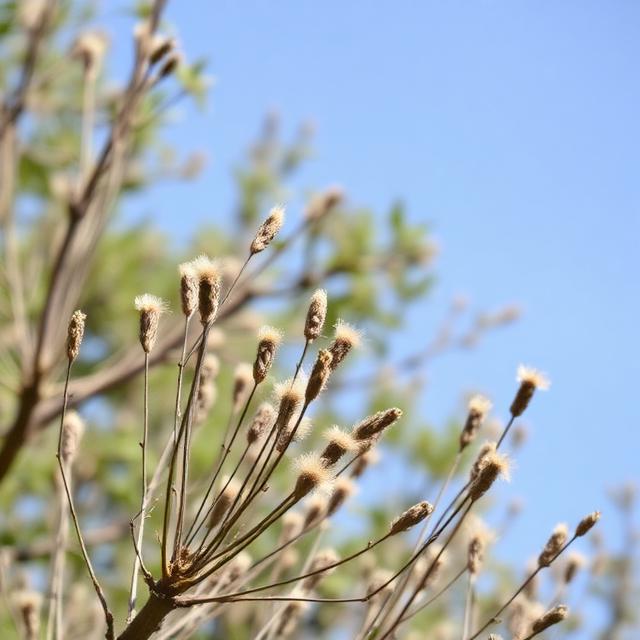
Walking slowly among conifers and broad-leaved trees exposes the respiratory system to a cocktail of airborne plant-derived compounds called phytoncides, and measured blood samples confirm these compounds boost natural killer cell activity for days after a single forest outing. The Japanese practice known as shinrin-yoku — literally forest bathing — has moved from cultural tradition into a legitimate subject of immunological research, with controlled studies documenting changes in white cell behaviour, cortisol levels and blood pressure in participants who spend two or three hours walking attentively through wooded terrain.
What Phytoncides Actually Do
Phytoncides are volatile organic compounds that trees emit as part of their own chemical defence system against bacteria, fungi and insect pressure. Pine, cedar, hinoki and oak each release distinctive terpene profiles, and the concentration of these compounds in forest air is measurably higher than in urban or agricultural environments. When a human walker breathes this air for a sustained period, the terpenes enter the bloodstream through the lungs and interact with immune cells in ways that researchers are only beginning to map. The most robust finding is a significant increase in natural killer cell activity — the lymphocyte subpopulation responsible for the early detection and elimination of virally infected and tumour cells — that persists for roughly a week after exposure.
This is not a placebo-driven wellness effect. Parallel studies using aerosolised phytoncide exposure in indoor hotel rooms have reproduced the immune changes without any of the visual, auditory or psychological atmosphere of an actual forest, isolating the chemical compounds themselves as the active ingredient. The psychological benefits of being among trees are real and well-documented, but the immune response is driven by measurable airborne biochemistry that the body absorbs simply by breathing.
How to Practise Forest Bathing
Effective forest bathing differs from ordinary hiking. The goal is not to cover distance, elevate heart rate, or reach a destination, but to move slowly enough that the senses can register the details of the environment — the texture of bark, the layered sounds of the canopy, the changing quality of light as clouds pass overhead. Two to three hours is the window that most research protocols use, and this duration aligns with the time required for phytoncide concentrations in the blood to reach measurable levels. A single weekly session appears sufficient to maintain elevated natural killer activity across most participants studied.
Not all wooded areas offer the same benefit. Older forests with mature trees and diverse species composition produce higher phytoncide concentrations than young monoculture plantations or heavily managed urban parks. Walking during the warmer months, when trees are metabolically active and releasing compounds at peak rates, produces stronger measurable effects than winter outings when many species have entered dormancy. Early morning and late afternoon tend to have the highest ambient phytoncide levels, as temperature-driven air movement disperses the compounds most efficiently during these hours. For people living far from substantial forest tracts, even shorter visits to mature wooded parks a few times per week deliver meaningful exposure compared to no forest contact at all.
Leave a Reply